In the realm of food processing and preservation, the technique of low-temperature osmotic dehydration has garnered significant attention for its ability to enhance the quality and shelf life of vegetables. Among the various methods employed, saline water immersion stands out as a cost-effective and efficient approach. This process leverages the principles of osmosis to draw out moisture from vegetables, thereby reducing their water activity and inhibiting microbial growth. The interplay between temperature, salt concentration, and immersion duration plays a pivotal role in determining the dehydration rate and final product quality.
The science behind low-temperature osmotic dehydration is rooted in the movement of water molecules across semi-permeable membranes. When vegetables are submerged in a hypertonic saline solution, the difference in solute concentration between the vegetable cells and the surrounding solution creates a driving force for water to migrate outward. Unlike high-temperature drying methods, which can degrade texture and nutritional content, low-temperature processing preserves the structural integrity and bioactive compounds of the vegetables. This makes it particularly appealing for producing minimally processed, nutrient-rich food products.
One of the critical factors influencing the dehydration rate is the salt concentration of the brine. Studies have shown that higher salt concentrations generally accelerate moisture removal due to the increased osmotic pressure gradient. However, there is a delicate balance to strike—excessive salt can lead to over-dehydration, resulting in an unpleasantly tough texture and overly salty taste. Optimal salt concentrations typically range between 5% and 15%, depending on the vegetable type and desired end product. For instance, leafy greens like spinach may require lower concentrations compared to denser vegetables such as carrots or potatoes.
Temperature, though maintained at low levels, also significantly impacts the osmotic dehydration process. While higher temperatures can speed up moisture transfer, they risk compromising the vegetable's cellular structure and nutritional profile. Low temperatures, usually between 5°C and 25°C, ensure a gradual and controlled dehydration process. This slow rate allows for better retention of vitamins, minerals, and antioxidants, which are often heat-sensitive. Additionally, the reduced thermal energy input aligns with sustainable processing practices, making it an environmentally friendly option.
The duration of immersion is another variable that demands careful consideration. Shorter soaking times may result in insufficient moisture loss, leaving the vegetables prone to spoilage, while prolonged exposure can lead to excessive salt uptake and texture degradation. Empirical data suggest that most vegetables achieve optimal dehydration within 2 to 6 hours, though this window can vary based on the vegetable's initial moisture content and thickness. Thinly sliced or grated vegetables, for example, dehydrate faster than whole or thick-cut pieces due to their larger surface area-to-volume ratio.
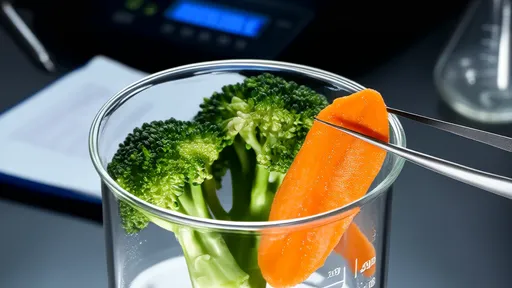
Beyond the technical aspects, the choice of vegetable also dictates the efficacy of saline water immersion. Vegetables with high initial water content, such as cucumbers or zucchinis, exhibit faster dehydration rates compared to those with lower moisture levels. Similarly, the cellular structure and porosity of the vegetable influence how readily water is released. For instance, eggplants, with their spongy texture, tend to absorb more salt during the process, which can affect both the dehydration rate and the final product's flavor profile.
Quality assessment of osmotically dehydrated vegetables extends beyond mere moisture loss. Parameters such as color retention, texture, and nutrient content are equally important. Saline water immersion has been shown to better preserve the natural color of vegetables compared to air drying or freeze drying. The salt in the brine can also act as a mild preservative, further extending shelf life without the need for synthetic additives. However, careful rinsing or blanching post-dehydration is often necessary to reduce surface salt and maintain palatability.
From an industrial perspective, scaling up low-temperature osmotic dehydration presents both opportunities and challenges. The method's energy efficiency and ability to produce high-quality products align with consumer demand for clean-label foods. Yet, optimizing large-scale brine management and ensuring consistent quality across batches require sophisticated equipment and process control. Innovations such as vacuum-assisted osmotic dehydration or pulsed electric field pretreatment are being explored to enhance efficiency and reduce processing times without compromising the benefits of low-temperature treatment.
In conclusion, low-temperature osmotic dehydration via saline water immersion offers a promising avenue for preserving vegetables while maintaining their nutritional and sensory attributes. By carefully modulating salt concentration, temperature, and immersion time, producers can achieve desired dehydration rates without sacrificing quality. As the food industry continues to prioritize sustainability and health-conscious processing methods, this technique is poised to play an increasingly vital role in modern food preservation strategies.
As the global population ages, creating age-friendly living environments has become a priority for caregivers and designers alike. One often overlooked yet critical aspect of senior care involves nighttime navigation within the home. The journey from bed to bathroom, though seemingly simple, presents significant challenges for elderly individuals with mobility or vision impairments. This report examines innovative lighting solutions tailored specifically for nocturnal pathways, blending safety considerations with cutting-edge technology to transform this daily ritual.
The Hidden Dangers of Nighttime Navigation
What appears as a brief stroll for younger adults becomes an obstacle course for many seniors after dark. Depth perception diminishes with age, shadows create false steps, and sudden bright lights can cause disorientation rather than assistance. Traditional nightlights often fail to address these specific needs, either providing insufficient illumination or creating glare that disturbs sleep cycles. Recent studies from geriatric research institutions reveal that nearly 40% of senior falls occur during these nighttime transitions, with hip fractures being particularly common and devastating consequences.
Physiological changes in aging eyes compound these challenges. The pupils shrink and become less responsive to light changes, while the lens yellows, filtering out crucial blue wavelengths needed for low-light vision. These biological factors demand lighting solutions that compensate for visual deficiencies rather than simply adding more light. The ideal system must provide gradual, even illumination that guides without startling, using color temperatures and intensities specifically calibrated for senior visual perception.
Innovative Lighting Technologies for Age-Friendly Pathways
Modern lighting systems have moved far beyond simple plug-in nightlights. Motion-activated LED strips now offer sophisticated solutions that automatically illuminate when needed and dim when not in use. These systems can be installed at toe-kick height along walls or cabinetry, providing gentle pathway lighting without creating disruptive overhead glare. Some advanced models feature progressive illumination, where lights gradually brighten to full intensity over several seconds, allowing eyes to adjust naturally rather than being shocked awake by sudden brightness.
Biometric lighting represents the next frontier in age-appropriate illumination. Experimental systems can detect subtle movements through advanced sensors, distinguishing between routine sleep adjustments and actual attempts to rise from bed. This allows the lighting to activate preemptively, giving seniors illuminated pathways before their feet touch the floor. Other prototypes incorporate wearable technology that communicates with home lighting systems, ensuring perfect synchronization between the user's movements and the lighting response.
Design Considerations for Effective Implementation
Successful nighttime lighting schemes require thoughtful integration with existing architecture. Lighting designers emphasize the importance of creating continuous visual guides rather than isolated pools of light, which can actually worsen depth perception issues. The path should be illuminated from bed to bathroom and back, with special attention to transitional areas like doorway thresholds that frequently cause trips and falls. Many experts recommend installing additional lighting markers near medications or emergency call devices that might be needed during nighttime hours.
Color temperature selection plays a crucial role in effectiveness. While cool white light provides maximum brightness, many seniors find warmer tones (around 2700K) more comfortable at night as they're less likely to suppress melatonin production. Some systems now offer adjustable color temperatures that automatically shift throughout the evening - brighter cool tones during early nighttime hours when occasional wakefulness is more common, transitioning to warmer, dimmer light in the early morning hours when deeper sleep is preferred.
Psychological and Behavioral Aspects
The impact of well-designed nighttime lighting extends beyond physical safety. Geriatric psychologists note that reliable illumination reduces nighttime anxiety, which often leads to decreased fluid intake in attempts to minimize bathroom trips. This dehydration cycle creates its own set of health risks. Proper lighting gives seniors confidence in their nighttime mobility, encouraging healthier hydration habits and reducing fall-related anxiety that can lead to overly cautious movements actually increasing fall risk.
Sleep specialists caution against solutions that are too bright or improperly placed, as these can disrupt circadian rhythms. The ideal system provides enough light for safe navigation while maintaining the darkness needed for quality sleep. This balance requires careful positioning of fixtures and consideration of indirect lighting techniques that illuminate floors and pathways without shining directly into eyes or creating bright spots visible from bed.
Future Directions in Age-Specific Lighting Solutions
Emerging technologies promise even more sophisticated approaches to senior nighttime lighting. Researchers are developing systems that learn individual movement patterns over time, anticipating needs before they arise. These adaptive systems can distinguish between different family members, providing customized illumination based on each person's mobility requirements and preferences. Other experimental approaches involve subtle auditory cues paired with lighting changes to provide additional orientation assistance without being disruptive.
Smart home integration allows lighting systems to communicate with other devices, such as adjusting thermostat settings when nighttime activity is detected or notifying caregivers if unusual movement patterns occur. These interconnected systems create comprehensive safety networks that address multiple aspects of senior wellbeing simultaneously. As artificial intelligence continues advancing, lighting solutions may eventually predict and prevent potential hazards before they materialize.
The development of senior-friendly nighttime lighting represents more than just a technical challenge - it's a fundamental rethinking of how we support independence and dignity in later life. By illuminating these crucial pathways, we're not just lighting a physical space, but providing the confidence and security that allows seniors to maintain autonomy in their daily routines. As this field continues to evolve, it promises to transform nighttime from a time of vulnerability to one of comfort and safety for aging populations worldwide.

By /Jul 24, 2025
By /Jul 24, 2025

By /Jul 24, 2025
By /Jul 24, 2025

By /Jul 24, 2025

By /Jul 24, 2025

By /Jul 24, 2025
By /Jul 24, 2025
