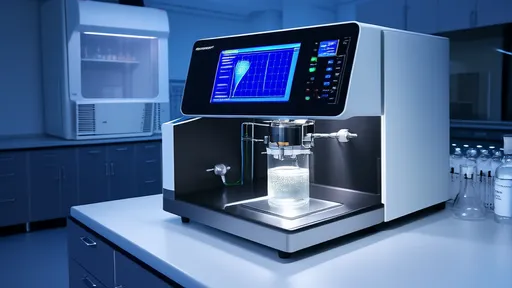
The allure of citrus aromas has captivated perfumers, food scientists, and chemists for centuries. At the heart of these vibrant scents lies a complex family of organic compounds known as terpenes. These naturally occurring hydrocarbons are the unsung heroes behind the zesty, refreshing notes of oranges, lemons, grapefruits, and limes. Gas Chromatography-Mass Spectrometry (GC-MS) has emerged as the gold standard for analyzing these volatile compounds, offering unparalleled precision in identifying and quantifying the terpenes responsible for citrus fragrances.
Terpenes represent one of nature's most diverse chemical families, with over 30,000 identified structures. In citrus fruits, they predominantly manifest as monoterpenes and sesquiterpenes – lightweight molecules that evaporate easily and interact with olfactory receptors. The characteristic scent of an orange peel, for instance, stems from a delicate balance of limonene, myrcene, and pinene. What makes GC-MS particularly valuable is its ability to separate these compounds with extraordinary resolution before identifying them through mass spectral fingerprints.
The sample preparation process for citrus terpene analysis requires meticulous attention to detail. Researchers typically employ solvent extraction or headspace sampling techniques to capture these volatile compounds without degradation. Cold-pressed citrus oils often serve as ideal samples, preserving the authentic terpene profile found in fresh fruit. Modern headspace solid-phase microextraction (HS-SPME) methods have revolutionized the field by allowing non-destructive sampling and concentrating trace-level terpenes that might otherwise go undetected.
When the prepared sample enters the GC system, the magic of separation begins. A temperature-programmed capillary column – often coated with polar or non-polar stationary phases depending on the target analytes – gradually elutes individual terpenes based on their boiling points and affinities. The separation of structurally similar compounds like α-pinene and β-pinene demonstrates the technique's remarkable resolving power. These subtle differences in molecular structure translate to distinct aromatic qualities that GC-MS can systematically unravel.
As compounds exit the chromatography column, they enter the mass spectrometer for identification. Here, electron impact ionization fragments the terpene molecules into characteristic patterns that serve as molecular fingerprints. The resulting mass spectra allow analysts to distinguish between compounds like linalool and citronellal, which might co-elute on simpler systems. Advanced GC-MS platforms can detect terpenes at concentrations as low as parts per trillion, revealing trace constituents that contribute to a citrus oil's overall olfactory profile.
The interpretation of GC-MS data requires both sophisticated software and expert knowledge. While spectral libraries contain reference patterns for common terpenes, citrus varieties often contain unusual or region-specific compounds that demand careful analysis. For instance, the rare tangerine terpene γ-terpinene-7-al contributes distinctive green, herbaceous notes that set this citrus apart from its relatives. Modern deconvolution algorithms help separate overlapping peaks, ensuring each terpene receives proper quantification.
Beyond simple identification, GC-MS enables researchers to explore the biochemical origins of citrus aromas. The technique has revealed how factors like fruit maturity, growing conditions, and post-harvest processing alter terpene profiles. Cold climate oranges, for example, tend to accumulate higher limonene concentrations while producing less volatile sesquiterpenes. Such findings have profound implications for the flavor and fragrance industries, where consistency and quality control depend on understanding these variations.
Recent advances in GC-MS technology continue to push the boundaries of terpene analysis. Two-dimensional gas chromatography (GC×GC) coupled with time-of-flight mass spectrometry can separate hundreds of citrus volatiles in a single run. These high-resolution techniques have uncovered previously unknown trace terpenes that act as aroma modifiers or fixatives. The discovery of rotundifolone in certain lemon varieties, for instance, explained long-observed differences in perceived freshness between cultivars.
The applications of citrus terpene analysis extend far beyond perfumery. Food scientists use GC-MS data to authenticate orange juice purity and detect adulteration. Pharmacologists study how these compounds interact with human physiology, particularly their potential anti-inflammatory and anxiolytic effects. Even the agricultural sector benefits from terpene profiling, using volatile patterns as markers for disease resistance or optimal harvest times.
As consumers increasingly demand natural ingredients and transparent sourcing, GC-MS analysis of citrus terpenes has become indispensable for quality assurance. The technique can distinguish between natural and synthetic limonene, verify organic claims, and ensure the absence of pesticide residues in essential oils. This level of scrutiny has elevated industry standards while providing scientific validation to traditional knowledge about citrus varieties and their uses.
Looking ahead, the marriage of GC-MS with olfactometry presents exciting possibilities. By coupling chemical analysis with human sensory evaluation, researchers can determine which terpenes actually drive citrus aroma perception. Preliminary studies suggest that threshold effects and synergistic interactions between compounds play a more significant role than previously thought. This holistic approach may finally explain why no synthetic terpene blend has ever perfectly replicated the complexity of fresh citrus zest.
The study of citrus terpenes through GC-MS exemplifies how analytical chemistry continues to deepen our understanding of nature's marvels. Each chromatogram tells a story of sunlight captured in molecular form, of evolutionary adaptations encoded in carbon skeletons, and of the intricate biochemical pathways that give simple fruits their charismatic personalities. As the technology advances, we can expect to uncover even more secrets hidden within the vibrant world of citrus aromas.
In the fast-paced world of emergency medical care, the importance of maintaining well-stocked and up-to-date first aid kits cannot be overstated. One critical aspect of this maintenance is the proper labeling and rotation of medications within these kits. Over time, medications can expire, lose potency, or even become hazardous if not replaced in a timely manner. The process of updating these labels and ensuring the freshness of supplies is not just a matter of compliance—it’s a matter of life and death in some scenarios.
First aid kits are often the first line of defense in emergencies, whether in homes, workplaces, or public spaces. The medications and supplies they contain must be reliable, as outdated or degraded items can fail when they are needed most. This is where the role of clear, accurate, and regularly updated labels comes into play. Proper labeling ensures that users can quickly identify medications, check expiration dates, and replace items before they become ineffective or unsafe.
The process of rotating and relabeling first aid kit medications involves more than just slapping on a new sticker. It requires a systematic approach to inventory management. Each item must be checked for expiration dates, and those nearing the end of their shelf life should be replaced promptly. The new items must then be labeled with clear, legible information, including the date of insertion and the next anticipated replacement date. This practice not only keeps the kit current but also builds trust among those who rely on it.
One often overlooked aspect of medication rotation is the environmental impact of disposing of expired drugs. Improper disposal can lead to contamination of water supplies or harm to wildlife. Many communities now offer take-back programs or guidelines for safe disposal, and these should be followed meticulously. By incorporating eco-friendly practices into the rotation process, organizations can demonstrate their commitment to both health and sustainability.
Training plays a pivotal role in ensuring that first aid kit maintenance is done correctly. Individuals responsible for these kits should be educated on the importance of rotation and labeling, as well as the potential consequences of neglect. Regular training sessions can reinforce best practices and keep everyone informed about updates in medication storage guidelines or labeling requirements. This proactive approach minimizes risks and ensures that kits are always ready for use.
Technology is also making its mark on this essential task. Digital tracking systems and smart labels are becoming more prevalent, allowing for real-time monitoring of medication expiration dates. These innovations can send alerts when items need replacement, reducing the likelihood of human error. While these systems may require an initial investment, the long-term benefits in terms of efficiency and reliability are undeniable.
Public awareness campaigns can further amplify the importance of proper first aid kit maintenance. By highlighting real-life scenarios where outdated medications led to complications, these campaigns can drive home the message that vigilance saves lives. Social media, workshops, and community outreach programs can all serve as platforms to spread this critical information.
Ultimately, the responsibility for maintaining first aid kits falls on everyone—from individuals at home to large organizations. Regular checks, clear labeling, and timely replacements are simple yet powerful actions that can make a significant difference in emergency situations. By prioritizing these practices, we can ensure that when the moment calls for it, our first aid kits are up to the task.
By /Jul 24, 2025

By /Jul 24, 2025

By /Jul 24, 2025

By /Jul 24, 2025

By /Jul 24, 2025

By /Jul 24, 2025
By /Jul 24, 2025

By /Jul 24, 2025
