The washing machine is one of the most essential appliances in modern households, tirelessly working to keep our clothes clean and fresh. However, one of its most overlooked components—the rubber seal or gasket—often becomes a breeding ground for mold and mildew. These unsightly black spots not only look unpleasant but can also lead to unpleasant odors and even affect the cleanliness of your laundry. Over time, neglecting this issue may compromise the efficiency of your machine and, in severe cases, shorten its lifespan.
Many people assume that because the washing machine cleans clothes, it must also clean itself. Unfortunately, this is far from the truth. The rubber gasket, especially in front-loading machines, remains damp after cycles, creating a perfect environment for mold spores to thrive. Warmth, moisture, and residual detergent or fabric softener residues contribute to the problem. Left unchecked, these mold colonies can spread, leading to persistent musty smells and potential health concerns for those with allergies or respiratory sensitivities.
Understanding why mold forms is the first step in tackling it effectively. The rubber seal’s primary function is to prevent water from leaking out during the wash cycle, but its folds and crevices trap moisture, detergent buildup, and lint. Over time, organic matter from clothing, such as skin cells or fabric fibers, accumulates in these areas, providing nutrients for mold growth. Front-loading machines are particularly susceptible due to their horizontal drum orientation, which keeps the gasket in constant contact with water and debris.
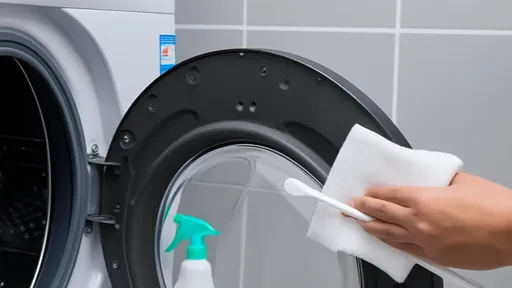
Preventing mold requires consistent maintenance rather than occasional deep cleaning. After each wash, leaving the door ajar allows air to circulate, drying out the gasket and drum. Wiping down the seal with a dry cloth removes excess moisture and any visible debris. Some homeowners find success in using a mixture of vinegar and water as a weekly wipe-down solution, as vinegar’s mild acidity helps inhibit mold growth without damaging the rubber. Additionally, using high-efficiency (HE) detergents in the correct amounts reduces soap buildup, which can otherwise feed mold.
When mold has already taken hold, a more thorough approach is necessary. A paste made from baking soda and water can be applied to the affected areas, left to sit for several minutes, and then scrubbed away with a soft brush. For stubborn stains, hydrogen peroxide or a diluted bleach solution (one part bleach to ten parts water) can be used cautiously, ensuring proper ventilation. It’s crucial to rinse the gasket thoroughly afterward to prevent chemical residue from damaging the rubber or transferring onto clothes in future cycles.
In cases where mold persists despite regular cleaning, inspecting the machine’s drainage system may be worthwhile. A clogged or slow-draining pump can leave excess water in the drum, exacerbating moisture retention. Some modern washing machines have a "clean cycle" feature designed to sanitize the drum and gasket, often using high temperatures to kill mold spores. Running this cycle monthly—or as recommended by the manufacturer—can significantly reduce the likelihood of recurrence.
Replacing the rubber gasket is a last resort but may be necessary if the mold has caused permanent damage or if the seal has become brittle and cracked. While this task can be DIY for those comfortable with appliance repair, consulting a professional ensures proper installation and avoids further damage to the machine. Investing in a high-quality replacement gasket, preferably one with antimicrobial properties, can provide longer-term protection against future mold growth.
Beyond mechanical solutions, adjusting laundry habits can make a difference. Avoiding overloading the machine ensures proper water circulation and reduces the amount of debris trapped in the gasket. Removing wet clothes promptly after cycles prevents prolonged moisture exposure. For households in humid climates, using a dehumidifier in the laundry room can help maintain an environment less conducive to mold development.
The battle against washing machine mold is ongoing but manageable with the right knowledge and routine. By incorporating simple preventive measures and addressing minor mold growth before it becomes severe, homeowners can maintain a fresher, more hygienic washing machine. Not only does this protect your appliance’s functionality, but it also ensures that the machine tasked with cleaning your clothes isn’t secretly making them dirtier.
The warm embrace of sunlight has long been celebrated as nature's disinfectant, and when it comes to maintaining a hygienic sleeping environment, this golden resource becomes particularly valuable. Pillows, those soft guardians of our nightly repose, accumulate more than just dreams—they gather dust, skin cells, and the dreaded dust mites that thrive in such environments. Understanding the relationship between sunlight exposure and mite eradication can transform your pillow maintenance routine from guesswork to science.
Dust mites, microscopic creatures that feed on dead human skin cells, find pillows to be ideal habitats. These unwelcome guests not only cause allergic reactions but can also exacerbate asthma and other respiratory conditions. While regular washing helps, it's the potent combination of ultraviolet rays and heat from sunlight that delivers a one-two punch to these persistent pests. The key lies in timing—knowing exactly how long to expose your pillows to sunlight for optimal results without damaging the fabric or filling.
Different pillow materials require distinct approaches to sun treatment. Down and feather pillows, for instance, benefit greatly from sunlight exposure but demand careful handling to prevent the feathers from becoming brittle. Memory foam, on the other hand, should never be placed in direct sunlight as the heat can break down its cellular structure. For synthetic fiber pillows, sunlight serves as both sanitizer and revitalizer, helping to fluff up compressed fibers while eliminating microscopic invaders.
The intensity of sunlight varies dramatically by season, location, and time of day. Midday sun during summer months provides the most intense UV radiation, meaning shorter exposure times are needed—typically 2-3 hours per side. In contrast, winter sun or cloudy days may require 4-6 hours of exposure to achieve similar results. This seasonal dance with the sun means your pillow care routine should adapt throughout the year, much like we adjust our clothing to temperature changes.
Beyond simple duration, the technique of sunning your pillows matters greatly. Flipping pillows halfway through the exposure ensures both sides receive equal treatment. Placing dark-colored fabrics beneath light-colored pillows can increase heat absorption and effectiveness. For those living in humid climates, combining sunlight exposure with proper airflow creates an environment particularly hostile to dust mites, addressing both moisture and sanitation simultaneously.
While sunlight proves remarkably effective against dust mites, it's not a standalone solution. The complete pillow hygiene regimen should include regular washing, protective covers, and proper storage. Sunlight serves as the crucial finishing touch—nature's own purification system. By mastering the art and science of pillow sunning, you create not just a cleaner sleeping surface, but potentially a healthier breathing environment for those sensitive to allergens.
The psychological benefits shouldn't be overlooked either. There's something deeply satisfying about retrieving sun-warmed bedding at day's end. That subtle scent of sun-dried fabric carries with it centuries of human tradition, connecting us to generations past who likewise sought the disinfecting power of sunlight. In our modern world of chemical cleaners and artificial solutions, the simplicity of using sunlight remains both effective and comforting.
Urban dwellers face particular challenges in implementing this natural cleaning method. Balcony space limitations, pollution concerns, and building regulations often complicate pillow sunning routines. Creative solutions like portable drying racks that maximize small spaces, or timing sun exposure during less polluted hours, can help city residents still benefit from this ancient practice. Even indirect sunlight through clean windows provides some benefit, though direct exposure remains ideal.
For those committed to chemical-free living, sunlight offers an attractive alternative to commercial anti-mite sprays and treatments. The environmental impact is negligible, the cost is zero, and the effectiveness—when properly executed—rivals many store-bought solutions. This approach aligns with growing movements toward sustainable living and reduced reliance on synthetic chemicals in our home environments.
As with any cleaning method, observation and adjustment are key. Notice how your pillows respond to different durations of sunlight exposure. Be attentive to changes in texture or odor that might indicate either success or the need for modified treatment. Over time, you'll develop an intuitive sense for your pillows' needs, creating a personalized sunning schedule that keeps them fresh, clean, and mite-free throughout the year.

By /Aug 6, 2025

By /Aug 6, 2025

By /Aug 6, 2025

By /Aug 6, 2025
By /Aug 6, 2025

By /Aug 6, 2025

By /Aug 6, 2025

By /Aug 6, 2025