In the age of heightened hygiene awareness, the humble TV remote control often escapes our attention when it comes to thorough cleaning. Yet, studies have shown that these frequently touched household items can harbor more bacteria than a toilet seat. The unique combination of plastic surfaces, crevices between buttons, and constant handling makes remote controls prime breeding grounds for germs. Understanding proper disinfection techniques for these devices isn’t just about cleanliness—it’s a crucial aspect of maintaining a healthy living environment.
The first challenge in disinfecting TV remotes lies in their material composition. Most remotes feature plastic casings with rubberized buttons, which can degrade when exposed to harsh chemicals. Alcohol-based solutions, while effective against pathogens, may cause the plastic to become brittle or discolor over time. Manufacturers rarely design these everyday tools with deep cleaning in mind, leaving users to navigate a delicate balance between sanitation and preserving functionality. This paradox explains why many households settle for superficial wiping rather than proper sterilization.
Electronics manufacturers have begun addressing this issue in recent years. Some premium remote controls now incorporate antimicrobial coatings or silver ion technology to inhibit bacterial growth. However, these features don’t eliminate the need for regular cleaning—they merely supplement basic hygiene practices. The reality remains that regardless of technological advancements, physical removal of germs through proper disinfection methods provides the most reliable protection against pathogen transmission within households.
Professional cleaning services report that TV remotes rank among the most contaminated items in hotel rooms and healthcare facilities. The pattern holds true in residential settings, where remutes get handled during meals, after outdoor activities, and sometimes even in bathrooms. This constant cross-contamination creates an invisible health hazard that standard household cleaning routines often overlook. Unlike kitchen surfaces or bathroom fixtures that receive regular attention, remote controls slip through the cracks of our cleaning consciousness.
The pandemic years brought temporary awareness to remote control hygiene, with many families adopting new cleaning protocols. However, as health concerns have receded in public consciousness, these practices have frequently lapsed. This regression highlights the need for establishing sustainable, easy-to-maintain cleaning habits rather than relying on periodic intensive efforts. The solution lies not in complex procedures but in consistent, appropriate cleaning methods that fit seamlessly into existing routines.
Children’s interaction with remote controls presents another layer of concern. Pediatricians note that young children frequently put remotes in their mouths or handle them with dirty hands after playing. This behavior dramatically increases the risk of ingesting harmful bacteria. Families with infants or toddlers should consider more frequent disinfection schedules and possibly protective coverings that can withstand daily cleaning. The investment in washable silicone covers often pays dividends in both hygiene preservation and device protection.
Elderly care facilities face particular challenges with remote control sanitation. For immunocompromised residents, contaminated surfaces pose serious health risks. Nurses in these environments emphasize the importance of disinfecting remotes between user rotations—a practice that could benefit multigenerational households as well. The solution doesn’t require expensive equipment; simple disinfectant wipes used at appropriate intervals can significantly reduce microbial loads on these high-touch surfaces.
Technology enthusiasts have proposed various high-tech solutions, from UV sanitizing boxes to self-cleaning remotes with photocatalytic coatings. While these innovations show promise, they remain niche products with limited real-world adoption. For most consumers, traditional cleaning methods—when performed correctly—deliver sufficient protection without additional gadgets. The key lies not in purchasing specialized equipment but in understanding the proper techniques for existing tools.
Environmental factors play an often-overlooked role in remote control contamination. Humid climates accelerate bacterial growth in the tiny crevices between buttons, while dry environments cause skin flakes to accumulate in the device’s recesses. These regional variations necessitate slightly different cleaning approaches. Coastal residents might prioritize moisture-resistant disinfectants, while those in arid regions may focus on thorough dust removal before applying antibacterial solutions.
The psychological aspect of remote control hygiene shouldn’t be underestimated. Behavioral studies suggest that people perceive visibly clean surfaces as hygienic, regardless of actual microbial content. This explains why a quick wipe with a dry cloth satisfies most users, despite doing little to eliminate bacteria. Overcoming this cognitive bias requires education about invisible contaminants and proper disinfection techniques that go beyond cosmetic cleaning.
Pet owners face unique remote control hygiene challenges. Animals frequently interact with these devices, whether intentionally or accidentally, transferring fur, dander, and saliva. Veterinary experts recommend that households with pets clean remotes more frequently using pet-safe disinfectants. The solution often involves establishing pet-free zones for electronics or implementing immediate cleaning after animal contact.
Commercial cleaning product manufacturers have begun recognizing remote controls as a distinct cleaning category. Recent years have seen the introduction of electronics-safe disinfectant sprays and pre-moistened wipes specifically formulated for delicate surfaces. These specialized products bridge the gap between general-purpose cleaners and the unique requirements of sensitive electronics. While more expensive than homemade solutions, they offer convenience and peace of mind for consumers prioritizing device longevity alongside cleanliness.
The future of remote control hygiene may lie in material science advancements. Researchers are experimenting with self-sanitizing polymers and embedded antimicrobial compounds that could revolutionize how we maintain everyday objects. Until these technologies become mainstream, however, conscientious cleaning habits remain our best defense against the invisible microbial world inhabiting our most frequently handled devices.
Ultimately, proper TV remote disinfection comes down to consistent practice rather than periodic intensive efforts. Incorporating quick cleaning into daily routines—perhaps while watching television—proves more effective than occasional deep cleaning. As we continue navigating post-pandemic life, these small but significant hygiene practices may well become the unsung heroes of household health maintenance.
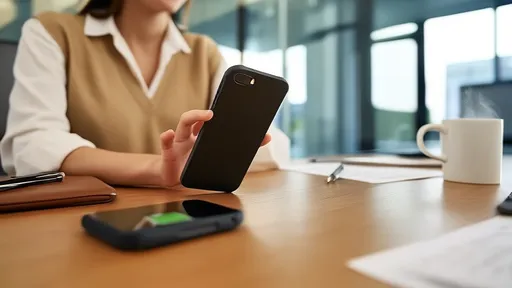
The constant ping of notifications has become the soundtrack of modern life. Our pockets buzz with urgency, our lock screens fill with demands, and our attention fractures into smaller pieces with each alert. This phenomenon has given rise to what researchers call "notification anxiety" – that uneasy tension between staying connected and preserving mental space. As awareness grows about the psychological toll of perpetual connectivity, both users and tech companies are exploring ways to reclaim focus without complete digital disconnection.
The weight of unseen expectations accumulates with every unread badge. Unlike the physical memos of yesteryear that stayed politely in one's drawer, digital notifications impose themselves aggressively into our present moment. They carry invisible social contracts – the expectation of timely replies, the fear of missing out, and the pressure to stay perpetually informed. Psychologists note that even when we resist checking alerts immediately, the mere knowledge of their existence creates low-grade cognitive load, like background apps draining a phone's battery.
Tech designers initially treated notification systems as purely functional features rather than psychological experiences. Early smartphones simply replicated desktop paradigms, funneling all alerts through a single pipeline regardless of urgency. The turning point came when studies revealed that intermittent variable rewards – the same psychological mechanism that makes slot machines addictive – were being unconsciously baked into notification systems. The dopamine-driven feedback loops kept users engaged but left many feeling drained.
Modern solutions recognize that notification management isn't about blanket suppression but intelligent filtration. Some operating systems now analyze user behavior patterns to suggest notification schedules. Others implement attention-preserving modes that allow important contacts to break through while muting less urgent apps. The philosophy has shifted from "how can we capture attention" to "how can we respect attention."
The workplace presents unique challenges in notification management. Slack's Do Not Disturb mode and Microsoft's Focus Assist represent corporate tech's acknowledgment that constant availability harms productivity. Yet many employees report anxiety about using these features, fearing they'll appear unresponsive. This highlights how notification anxiety isn't just a technical issue but a cultural one, requiring shifts in workplace expectations alongside software solutions.
Personal strategies for managing notification stress vary widely. Some adopt radical approaches like scheduled "notification fasting" periods, while others meticulously customize app-by-app permissions. The common thread is intentionality – replacing passive reception with active control. Interestingly, many who initially fear missing crucial information discover that truly urgent matters find alternative pathways, while non-essential noise fades away.
Emerging research suggests that the most effective notification strategies account for individual neurodiversity. What overwhelms one person might provide necessary structure for another. Some productivity experts now recommend personal notification audits – periodically reviewing which alerts genuinely serve versus those that hijack attention. This reflective practice helps users align their digital environments with actual priorities rather than default settings.
Looking ahead, the next frontier involves context-aware notification systems. Imagine your phone recognizing when you're in deep work versus casual browsing, adjusting alert intrusiveness accordingly. Early experiments with ambient notification displays – subtle light patterns or haptic rhythms that convey information without demanding immediate attention – show promise for reducing cognitive load. The goal isn't elimination but evolution toward more humane interaction models.
The paradox of notification anxiety lies in its dual nature as both burden and tether. These digital nudges connect us to communities, opportunities, and loved ones, even as they strain our mental resources. Perhaps the healthiest approach isn't total rejection but conscious curation – designing our interaction with alerts as deliberately as we might arrange a physical workspace. In an age of infinite connectivity, the scarce resource isn't information but the undisturbed mind capable of processing it meaningfully.
As individuals and societies navigate this challenge, the solutions will likely blend technological innovation with cultural adaptation. Just as previous generations established etiquette for telephone use and email communication, we're now developing norms around digital availability. The path forward acknowledges that sometimes, the most important notification is the silent space between alerts.

By /Aug 6, 2025
By /Aug 6, 2025
By /Aug 6, 2025
By /Aug 6, 2025

By /Aug 6, 2025

By /Aug 6, 2025

By /Aug 6, 2025

By /Aug 6, 2025